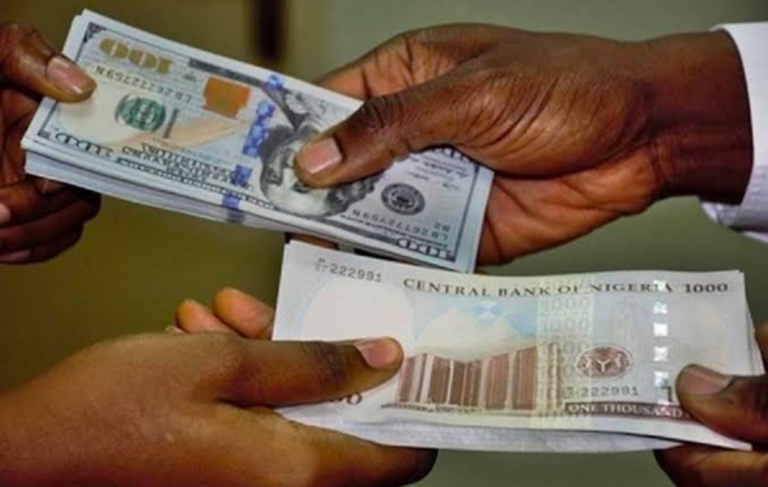
Saving diligently in a currency that's losing purchasing power against major global currencies can mean genuinely doing everything "right" (spending less than you earn, saving consistently) and still watching your real wealth erode.
This isn't a hypothetical; it's been a lived reality for savers across multiple African currencies over the past decade, and understanding the mechanism is the first step toward protecting against it.
Currency Depreciation as an Invisible Tax on Savings

Nominal Returns vs Real Returns, Explained Simply
A savings account paying 15% annual interest sounds strong; until you account for a currency that depreciated 20% against the dollar in the same period.
The nominal return (15%) looks positive; the real return, once you account for what that money can actually purchase in dollar terms or against imported goods, is negative.
This gap between nominal and real returns is exactly what makes currency-adjusted thinking essential, not optional, for anyone holding significant local-currency savings.
Who This Affects Most
| Situation | Level of Exposure |
|---|---|
| Savings held entirely in local currency, long-term | High - full exposure to depreciation over the holding period |
| Diaspora earners sending remittances, spending locally | Moderate - dollar-denominated income provides some natural protection |
| Business owners with local-currency revenue and imported input costs | High - margins compressed as input costs rise faster than local revenue |
| Investors holding a mix of local and dollar-denominated assets | Lower - diversification provides a natural hedge |
Practical Strategies to Protect Against It
1 Hold a Deliberate Mix of Currencies
Rather than concentrating all savings in local currency, a portion held in a stable foreign currency (through legitimate diaspora banking products, dollar-denominated funds, or foreign accounts where accessible) provides a natural buffer against local depreciation.
2 Consider Assets That Historically Track or Outpace Inflation
Real estate, certain equities, and other real assets have historically provided some inflation and currency protection over long periods, though none of these guarantee outpacing depreciation in any specific period, and each carries its own distinct risks.
3 For Business Owners: Price Genuinely in Line With Cost Structure
If input costs are partly dollar-denominated (imported materials, software subscriptions, foreign contractor payments), pricing structures need periodic review to ensure margins aren't being quietly eroded by currency movement between pricing cycles.
4 Avoid Holding Large Cash Balances in Depreciating Currency Long-Term
Cash sitting idle in a depreciating currency loses real value continuously. This doesn't mean avoiding local currency entirely (day-to-day expenses obviously require it); it means being deliberate about how much beyond immediate needs sits unproductively in that currency.
Recent Context: Naira Stabilisation in 2025-2026
It's worth noting that the Naira has shown meaningful stabilisation in the ₦1,500-₦1,600 per dollar range through 2025 into 2026, following a period of significant volatility, alongside Nigeria's exit from the FATF grey list and regulatory reforms that have improved banking access for diaspora investors specifically.
This is a genuinely positive development for predictability, though currency conditions change, and the underlying strategy of deliberate diversification remains sound regardless of any specific period's relative stability.
Frequently Asked Questions
What is the difference between nominal and real returns?
Nominal return is the stated interest or growth rate before adjusting for currency depreciation or inflation. Real return accounts for that erosion, showing what the growth is actually worth in terms of purchasing power.
A high nominal return can still represent a negative real return if depreciation outpaces it.
Should I keep all my savings in local currency or diversify?
Many financial professionals suggest deliberate diversification across currencies rather than concentrating entirely in local currency, particularly for savings beyond immediate day-to-day needs, given the historical volatility many African currencies have experienced.
How does currency depreciation specifically affect business owners?
Business owners with local-currency revenue but partly dollar-denominated costs (imported materials, software, foreign contractors) can see margins compressed as costs rise faster than revenue between pricing updates, making periodic pricing reviews important.
Has the Naira stabilised recently?
The Naira showed meaningful stabilisation in the ₦1,500-₦1,600 per dollar range through 2025 into 2026, alongside regulatory reforms improving diaspora banking access.
Currency conditions continue to change, so this reflects a specific period rather than a permanent guarantee.
Final Thoughts
The Bottom Line
Currency depreciation is a genuine, quiet force working against savers holding wealth entirely in a volatile local currency; but it's a manageable one through deliberate diversification, not a reason for panic or a reason to avoid local currency entirely.
Understanding the difference between nominal and real returns turns an invisible erosion into a factor you can actually plan around.
Go further
Resources that go with this guide




Written by
Nwaeze David
Nigerian digital entrepreneur, YouTuber and author of more than 20 books on business, money and online income. He writes plain-language guides for entrepreneurs around the world.