📋 Table of Contents
- The US Wine Market — Industry Overview and Opportunity
- Is a Wine Store the Right Business for You?
- Realistic Startup Costs
- Step 1 — Market Research and Business Plan
- Step 2 — Choose Your Business Structure and Register
- Step 3 — Obtain Your Liquor Licenses and Permits
- Step 4 — Secure Your Location
- Step 5 — Build Your Inventory and Supplier Relationships
- Step 6 — Set Up Operations and Technology
- Step 7 — Market Your Wine Store
- Understanding America's Three-Tier Distribution System
- Common Challenges and How to Navigate Them
- Tips for a Successful Wine Store
- Frequently Asked Questions
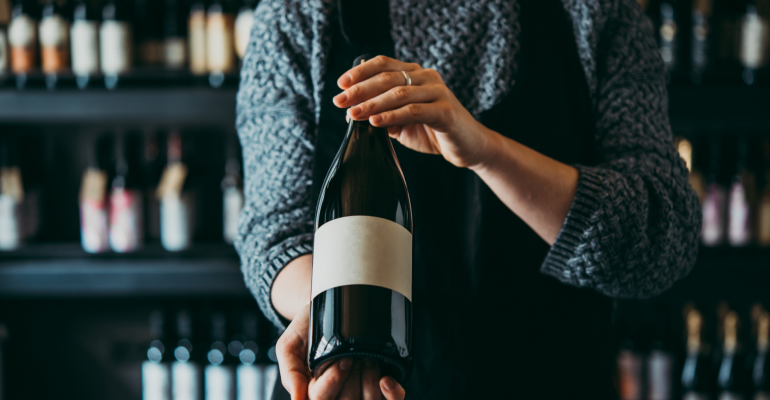
Starting a wine store in America: the complete guide covering licensing, startup costs, inventory, the three-tier distribution system, and marketing for new wine retail entrepreneurs.
The American wine market is one of the most dynamic retail categories in the country. The United States became the world's largest wine-consuming nation by volume, and consumer sophistication has risen steadily — with more buyers seeking curated selections, expert guidance, and unique shopping experiences rather than simply grabbing the cheapest bottle off a supermarket shelf.
That shift creates a real opening for independent wine store owners. A knowledgeable, well-positioned wine boutique can build a loyal customer base that a warehouse chain simply cannot replicate — and command premium margins in the process.
But entering the wine retail business requires understanding a genuinely complex regulatory environment, a unique supply chain structure, and the specific capital requirements involved in stocking a retail alcohol business.
This guide walks through every step of starting a wine store in America in 2026 (from market research and licensing to inventory management and marketing) with practical, specific guidance rather than generic advice.
The US Wine Market — Industry Overview and Opportunity
The wine market's consistent growth is driven by two converging trends: the premiumisation of wine consumption (buyers trading up to higher price points) and the growth of a generation of younger consumers who treat wine as an experience to explore rather than a commodity to purchase.
For independent retailers, these trends favour specialisation and expertise. A wine store that positions itself as the neighbourhood expert (offering curated selections, knowledgeable staff, and community events) competes on a dimension that grocery chains and big-box retailers cannot match. The opportunity is genuine, but so is the complexity. Here is what you need to know.
Is a Wine Store the Right Business for You? — An Honest Assessment
Before diving into the mechanics of starting a wine store, an honest self-assessment is worth more than any amount of market data.
- Capital requirement is real. Wine stores carry significant inventory costs — you need stock before you make sales. Total startup costs typically range from $50,000 to $150,000 or more depending on location and scale.
- Regulatory complexity is genuinely high. Alcohol is one of the most heavily regulated retail categories in the United States. Every state has different rules, many of which are counterintuitive and change over time.
- Profit margins require active management. Wine retail margins range from 25% to 50% on average, but competitive pricing pressure from online retailers and large stores can squeeze margins without careful inventory strategy.
- Customer education is part of the job. The best wine store owners are genuinely passionate about wine and enjoy helping customers discover something they wouldn't have found on their own. This isn't a passive retail model.
A wine store business is well-suited for entrepreneurs who have genuine wine knowledge or are willing to develop it, who want to build a community-rooted retail business rather than a scalable mass-market one, and who have the capital to sustain the business through the 12 to 24 months it typically takes to build a loyal customer base.
Realistic Startup Costs for a Wine Store in America
One of the most important things a prospective wine store owner needs is an honest picture of startup investment requirements:
Estimated Startup Costs — Small to Mid-Size Wine Store
Liquor license costs vary enormously by state and even by county. In some states, new licenses are available from the state authority for a few hundred dollars. In others — notably Florida and Texas — licenses may need to be purchased from an existing licensee on the secondary market for tens of thousands of dollars. This single variable can change your startup cost estimate by $50,000 or more. Research your specific state's licensing system before finalising your financial projections.

Thorough financial planning before you sign a lease is the most important step in starting a wine store — startup costs can vary dramatically based on location, state licensing, and store scale.
Step 1 — Market Research and Business Plan
Research Your Market and Write Your Business Plan
Before any other decision, understand the specific market you plan to enter. State-level and even city-level dynamics vary significantly in the wine retail business.
A neighbourhood with three established wine stores requires a clearly differentiated positioning. A neighbourhood underserved by wine retail but with the right demographic profile may represent a genuine white-space opportunity.
Market Research Questions to Answer
- Who are your potential customers in this specific area, and what do their current wine purchasing habits look like?
- What are the existing wine retailers in your target area offering, and where are their gaps?
- Is there sufficient foot traffic and demographic alignment to support a standalone wine boutique?
- What price points dominate local wine purchasing — entry-level, mid-market, or premium?
- Is there a local restaurant scene that creates demand for quality wine retail?
Business Plan Core Elements
- Executive Summary — your concept, target customer, and financial goals
- Market Analysis — your target customer profile, competitive landscape, and demand drivers in your chosen area
- Store Concept and Positioning — the specific niche or experience you are building (neighbourhood expert, natural wine focus, premium imports, etc.)
- Financial Projections — realistic revenue and cost projections for 3 years, with assumptions documented
- Operational Plan — staffing, hours, inventory management approach, supplier strategy
Step 2 — Choose Your Business Structure and Register
Choose the Right Legal Structure for Your Wine Business
Most wine store owners form a Limited Liability Company (LLC) as their business structure. An LLC provides personal liability protection (if the business is sued, your personal assets are protected) while offering the tax flexibility and simpler administration that most small retail businesses need.
Sole proprietorships expose owners to unlimited personal liability, which is particularly risky in a business that sells alcohol.
A corporation (S-Corp or C-Corp) may offer additional tax advantages at higher revenue levels — consult a CPA about this option once your business reaches profitability, as the optimal structure depends on your personal tax situation.
Registration Steps
- File your Articles of Organisation (for an LLC) or Articles of Incorporation (for a corporation) with your state's Secretary of State office
- Apply for a Federal Employer Identification Number (EIN) through the IRS — this is required for business banking, payroll, and most licences
- Register for a state sales tax permit — you will need to collect and remit sales tax on wine sales in your state
- Register your business name (DBA) if trading under a name different from your LLC name
- Open a dedicated business bank account — never commingle personal and business finances
Step 3 — Obtain Your Liquor Licenses and Permits
Navigate the Alcohol Licensing System
Alcohol licensing is the most complex and potentially most expensive part of starting a wine store in America. The United States does not have a single national licensing system — every state, and in some cases every county and city, has its own rules.
The following federal and state-level requirements apply in most jurisdictions:
Federal: TTB Registration
Most wine retailers do not need direct TTB (Alcohol and Tobacco Tax and Trade Bureau) registration, but importers do. If you plan to import wine directly, you need a federal importer's basic permit. Check your specific plans with the TTB at ttb.gov.
State Retail Liquor License
The most critical licence — issued by your state's Alcoholic Beverage Control (ABC) board or equivalent agency. This authorises you to sell wine at retail. Type and cost vary enormously by state. Apply directly to your state ABC board.
Local Zoning and Business Licence
Confirm your chosen location is zoned for alcohol retail before signing a lease. Many municipalities restrict alcohol retail within certain distances of schools, churches, or other alcohol retailers. Your city or county planning department can confirm zoning compliance.
Health and Safety Permits
Depending on your state and whether you plan to offer tastings or food alongside wine, additional health and safety permits may be required. Check with your local health department about tasting room requirements specifically.
Licensing Timelines and Tips
Liquor license applications take anywhere from two weeks to six months or longer depending on your state, city, and the type of licence.
Apply as early as possible in your setup process — do not wait until you have signed your lease to begin the application. In many states, the licence is tied to the physical address, so confirm your location before submitting the application.
Some states have a quota system that limits the number of retail alcohol licences available. When quotas are exhausted, new businesses must purchase a licence from an existing licensee — which can cost tens of thousands of dollars on the secondary market. States with notable quota restrictions include Florida, Georgia, and several others. Check your state's current licence availability before committing to a location or investing in build-out.
Step 4 — Secure Your Location
Find and Secure the Right Retail Space
Location is as important in wine retail as in any retail business, but the factors that determine a good wine store location are slightly different from general retail:
- Demographic alignment — look for neighbourhoods with household incomes that support premium wine purchasing. A concentration of restaurants, cafes, and specialty food retailers nearby is a strong positive signal — it indicates the right consumer profile and complementary foot traffic.
- Accessibility and parking — wine is a high-basket-size purchase that customers often make by car. Easy parking access significantly impacts purchasing frequency, especially for cases.
- Square footage and layout — a wine store typically needs at minimum 800 to 1,500 square feet for a viable selection. Climate control for storage is essential — wine quality degrades significantly without proper temperature and humidity management.
- Lease terms — negotiate a lease term that gives you stability without excessive long-term risk. A 3-year base term with two renewal options is common for retail wine stores. Have a commercial real estate attorney review any lease before signing.
Step 5 — Build Your Inventory and Supplier Relationships
Curate Your Wine Selection and Establish Supplier Partnerships
Your wine selection is the product of your store — it is the primary expression of your expertise and your understanding of your customers.
An overwhelming selection competes on quantity with supermarkets, which you cannot win. A curated, opinionated selection with genuine reasoning behind every bottle is how independent wine stores differentiate and build loyalty.
Building Your Initial Selection
- Start with 200 to 400 SKUs — enough variety to serve your customer base without spreading your buying budget too thin
- Build the selection around your customer's taste profile and price sensitivity — know your neighbourhood's typical spend per bottle
- Include a range of price points from ~$12 (everyday drinkers) to $50+ (special occasion and gift purchases)
- Choose wines you can speak to knowledgeably — your team will sell them more effectively if they have genuine enthusiasm
Working with Distributors (The Three-Tier System)
In America, wine retailers almost always purchase wine from licensed distributors — not directly from wineries (except in limited direct-to-consumer or self-distribution states).
Understanding and working effectively within this system is covered in detail in the Three-Tier System section below. Building strong relationships with distributors who carry the wines you want to feature is a major competitive advantage over time.
Step 6 — Set Up Operations and Technology
Build Your Operational Infrastructure
Point of Sale (POS) System
Your POS system is the nerve centre of your retail operation — handling sales transactions, inventory tracking, customer data, and analytics. For wine stores, choose a system with strong inventory management for variable SKU counts.
Popular options for wine retail include Lightspeed, Square for Retail, and WinePOS.
Wine Management Software
Wine-specific inventory management systems track vintage, producer, region, varietal, and pricing history for each SKU. This detail is critical for re-ordering decisions, customer recommendations, and managing cellar inventory effectively.
Wine cellar management software options include CellarTracker (primarily used by consumers but adapted by some retailers) and dedicated wholesale inventory systems.
Accounting Software
Set up accounting software from day one — do not attempt to manage a wine store's finances in a spreadsheet. QuickBooks is the standard for small retail businesses and integrates with most POS systems used in wine retail.
E-Commerce and Online Ordering
Online wine sales are regulated differently in each state — some states permit direct shipping to consumers, others restrict or prohibit it entirely.
Check your state's laws on online wine sales before building an e-commerce component. Platforms like Commerce7 and WineShipping are specifically designed for wine retail e-commerce and compliance.
Step 7 — Market Your Wine Store
Build Awareness and a Loyal Customer Base
Local Marketing — The Foundation
Wine retail is fundamentally a local business, and local marketing should be the core of your strategy, especially in the first year. Host a grand opening event with tastings, invite local media, and build relationships with neighbouring restaurants, caterers, and event planners.
These referral relationships can provide consistent business that advertising spend cannot.
Email Marketing — Your Most Valuable Channel
Build an email list from day one. Your most loyal customers (the ones who spend consistently and refer others) want to hear about new arrivals, upcoming events, and exclusive offers.
A weekly or bi-weekly email newsletter with genuine wine commentary and curated recommendations is one of the highest-ROI marketing investments a wine store can make.
Social Media for Wine Retail
Instagram and TikTok are particularly well-suited to wine retail — visually appealing bottles, producer stories, food pairings, and behind-the-counter personality all translate well to both platforms. Authenticity and genuine wine enthusiasm produce better results than polished advertising content in this space.
Wine Events and Tastings
Regular in-store tasting events (either free with purchase or paid ticketed events) drive foot traffic, educate customers, introduce them to new price points, and build community around your store. Events are also the fastest way to build word-of-mouth in a local market.
Understanding America's Three-Tier Distribution System
The three-tier alcohol distribution system is one of the most distinctive aspects of the US wine market — and one that catches international and first-time entrepreneurs off guard.
It was established after Prohibition ended in 1933 and governs how alcohol moves from producer to retailer in most US states.
| Tier | Who They Are | What They Do | Your Relationship |
|---|---|---|---|
| Tier 1: Producers | Wineries, importers, producers | Make or import wine | Largely indirect — producers sell to distributors, not retailers (in most states) |
| Tier 2: Distributors | Licensed wholesale distributors | Buy from producers, sell to retailers | Direct — your primary purchasing relationships are with distributors in your state |
| Tier 3: Retailers | Wine stores, restaurants, bars | Buy from distributors, sell to consumers | You are here |
The practical implication: you cannot simply call a winery in France and order their wine directly. In most states, you must purchase through a licensed distributor who carries that winery's portfolio in your state.
This means building relationships with the distributors in your market who carry the wines you want to sell is a major business development priority.
Distributors range from large multi-state operations to small independent houses specialising in specific wine regions or categories. The key to productive distributor relationships is communication about your store's positioning and customer base — a distributor who understands what you are trying to build will bring you better-targeted portfolio recommendations and, over time, preferential access to allocation wines.
Common Challenges and How to Navigate Them
⚠️ Inventory Management — Balancing Selection and Cash Flow
Too much inventory ties up cash and creates storage problems. Too little inventory means missed sales and disappointed customers. Use your POS data rigorously — track which bottles sell consistently, which ones sit, and adjust reordering accordingly. The first 6 months of operation are a learning period for inventory calibration; expect to make adjustments based on actual sales patterns rather than initial assumptions.
⚠️ Competition from Online Retailers and Large Chains
Online wine retailers (Wine.com, Vivino, Total Wine) offer breadth and convenience that independent stores cannot match. Do not compete on breadth — compete on curation, expertise, and experience. The customer who wants the cheapest bottle of any given wine will always find it cheaper online. The customer who wants a recommendation for a special dinner, or who wants to try something new, is yours to win and keep.
⚠️ Regulatory Complexity Across State Lines
Alcohol regulations are state-by-state, and they change. Subscribe to a wine industry publication or alert service to stay informed about regulatory changes that affect your state. Hire an attorney specialising in liquor law for any regulatory question where the stakes are high — the cost of a legal consult is minimal compared to a licence suspension or violation penalty.
⚠️ Seasonal Revenue Fluctuations
Wine sales are seasonal — the holiday period (October through December) can represent 30–40% of a year's revenue. This creates cash flow management challenges in the slower months. Build a working capital reserve during the holiday peak to fund the quieter Q1 and Q2 periods without stress.
Tips for Building a Successful Wine Store
- Lead with education. Customers who learn something from every interaction with your store become loyal advocates. Staff training on wine knowledge is an investment in customer retention.
- Price at what the market will bear, not at the lowest margin. Premium positioning is more defensible than price competition in independent wine retail. Know your customers' price sensitivity and position your selection accordingly.
- Build referral relationships with local restaurants. Restaurant staff who respect your store will send their customers to you when they ask where to buy wine. Cultivate these relationships actively.
- Offer a loyalty programme from day one. Frequent buyers should be recognised and rewarded — even a simple stamp card or points system increases purchase frequency among regular customers.
- Use allocation wines as a loyalty tool. When you have access to limited, high-demand wines, offer them first to your most loyal customers. This creates genuine VIP value that larger retailers cannot replicate.
- Track everything from the start. Point of sale data, customer purchase history, and inventory turn rates are your most valuable business intelligence. Set up systems to capture this data from day one — not six months in when you wish you had it.
Build the Business Skills to Make Your Wine Store Succeed
AIpreneur Academy covers the core entrepreneurial, marketing, and financial skills every new business owner needs — from writing a business plan to building your first customer base online.
FAQs About Wine Store Business in America
Total startup costs for a small to mid-size wine store typically range from $60,000 to $200,000 or more, depending primarily on location, store size, and state liquor licensing costs. The major cost components are retail lease deposit and build-out, initial wine inventory, liquor licence, and working capital to sustain the business through the first 12 to 24 months. The liquor licence cost alone varies from a few hundred dollars in some states to $50,000 or more in states with quota-restricted licence availability. Thorough financial planning with a detailed location-specific cost estimate is essential before committing capital.
At minimum, you need a state retail alcohol licence from your state's Alcoholic Beverage Control (ABC) board or equivalent authority. You also need standard business licences including your general business licence, seller's permit (for sales tax), and any local permits required by your city or county. If you plan to offer in-store tastings, some states require a separate tasting room or wine bar licence. Confirm with your state ABC board which specific licence types apply to your business concept — a wine-only retail store has different requirements than a shop offering tastings or food alongside wine sales.
In most US states, no — the three-tier distribution system requires that retail wine stores purchase from licensed distributors rather than directly from producers. However, a small number of states have modified self-distribution rules that allow wineries to sell directly to retailers, and some states permit direct-to-retailer sales under specific conditions. The rules vary significantly by state. In your day-to-day operations, you will primarily work with state-licensed wine distributors who represent specific producers and portfolios. Building strong distributor relationships is one of the most important early business development activities for a new wine store owner.
Wine retail typically operates on gross margins of 25% to 50%, with actual profitability depending heavily on revenue volume, rent as a percentage of sales, and inventory management discipline. A well-run independent wine store with annual revenue of $500,000 to $1 million can generate meaningful owner income. Below $300,000 in annual revenue, covering rent, payroll, and operating costs while generating owner income is challenging. The businesses that thrive long-term are typically those with strong community positioning, loyal repeat customer bases, and diversified revenue streams including events, wine clubs, and corporate accounts.
Prior wine knowledge is a significant advantage but not an absolute requirement — some successful wine store owners have built their expertise alongside their business. What is non-negotiable is a genuine interest in learning wine deeply, because customer trust in an independent wine store is built on the owner's and staff's credibility as a source of reliable recommendations. Pursuing a formal wine certification (WSET Level 2 or 3, or the Court of Master Sommeliers introductory course) before opening is strongly recommended for anyone without significant prior wine knowledge — both for the education itself and for the credibility it communicates to customers and suppliers.
Online wine sales and shipping are regulated at the state level, and the rules vary significantly. Some states permit retail wine stores to ship directly to consumers within the state; others restrict or prohibit it. Interstate wine shipping (from your store in one state to a consumer in another state) is governed by both your state's laws and the recipient state's laws — and is not permitted in all state combinations. Before building an e-commerce component to your business, consult an alcohol beverage attorney to understand the specific rules for your state and any states you plan to ship to. Platforms like WineShipping and commerce tools from ShipCompliant are specifically designed to help wine retailers navigate these complexities.